 EN


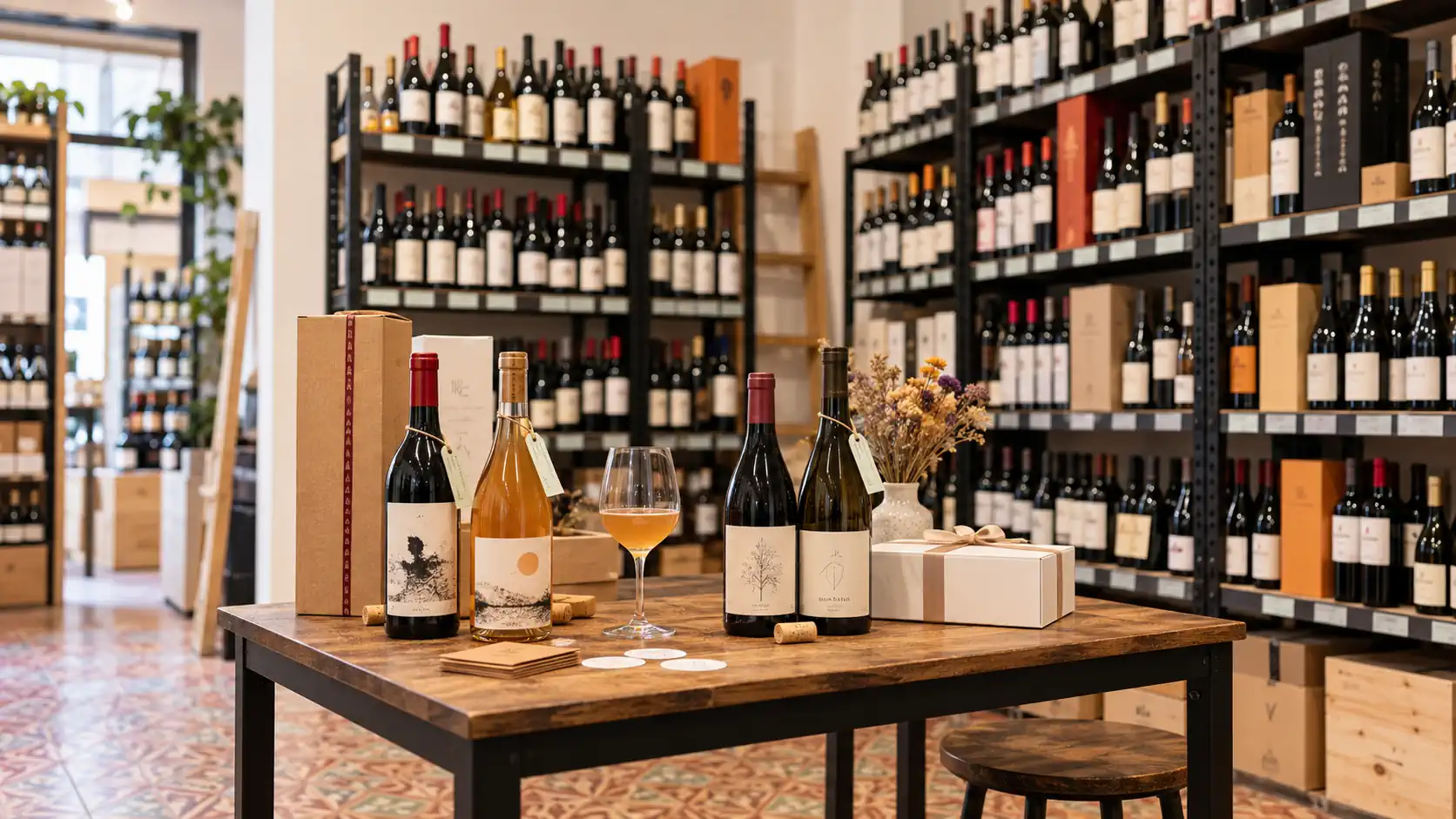
Natural wine in Barcelona: what it is, how to choose it and where to buy it
https://www.viconvino.com/wp-content/uploads/2026/10/vinos-naturales-viconvino-barcelona-1024x576.webp 1024 576 viconvino.com viconvino.com https://www.viconvino.com/wp-content/uploads/2026/10/vinos-naturales-viconvino-barcelona-1024x576.webpNatural wine is everywhere.
On bar menus, in conversations and on shop shelves.
But ask what it actually is and everyone will give you a different answer.
Let’s clear it up.
What natural wine is
A natural wine is, essentially, fermented grapes and little else.
In Spain there is no legal definition or official label, but there is a fairly clear consensus among the people who make it:
- Organically or biodynamically grown grapes, with no synthetic herbicides or pesticides
- Hand-harvested
- Fermented with native yeasts, the ones that live on the grapes and in the cellar
- No additives or corrections: no added acidity, sugar or flavourings
- Very few sulphites, or none at all
- Usually unfiltered and unfined
The idea is that the glass shows the grape, the vintage and the place.
No make-up.
Natural, organic and biodynamic: not the same thing
Organic wine
It has official certification. The grapes are grown without synthetic chemicals, but quite a lot of intervention is allowed in the cellar: selected yeasts, corrections and sulphites (in smaller amounts than in conventional wine).
Biodynamic wine
Goes a step further in the vineyard: it treats the estate as an ecosystem and follows the lunar calendar and natural preparations. It also has its own certifications.
Natural wine
Focuses on the cellar: minimal intervention throughout the process. Many natural wines are organic or biodynamic, even if the label doesn’t always say so.
In short: an organic wine isn’t necessarily natural.
And a natural wine almost always starts in an organic vineyard.
What natural wine tastes like
There’s no single “natural” taste. But some traits come up again and again:
- More fruit and more freshness, often with lively acidity
- Sometimes slightly cloudy or with sediment: that’s normal, because it hasn’t been filtered
- It may have a slight spritz (natural gas from fermentation)
- It’s less predictable: two bottles of the same wine can evolve differently
Some natural wines are clean and precise, others wilder.
That’s why it helps to have someone guide you.
Styles you’ll come across
Low-intervention whites and reds
The classics, but without corrections. Light, fresh, very drinkable.
Skin-contact or orange wines
White wines made like reds, with the skins left in during fermentation. More colour, more texture and notes of dried fruit and tea.
Pét-nat (ancestral method)
Sparkling wines from a single fermentation that finishes in the bottle. Softer bubbles, cheerful and very fruity.
Rosés and clarets
Fresh, pale in colour, ideal with food.
How to store and serve natural wine
- Keep it somewhere cool and dark, ideally lying down. With few sulphites, it suffers more in the heat.
- Serve it a little cooler than usual, reds included.
- If it has sediment, let it stand upright for a few hours or decant it.
- If it smells “odd” when you open it, let it breathe in the glass for a few minutes. It often opens up.
Where to buy natural wine in Barcelona
At our wine shop in the Eixample (Carrer de la Diputació 163) we have a selection of natural wines that we keep renewing.
Small producers, from Catalonia and beyond, that we have tasted and that convince us.
Come and see them and we’ll help you choose based on what you like.
And if you’re not in Barcelona, we’ll send them anywhere in Spain.
Want to discover natural wines every month? Our wine club adapts to your taste →